If you’re thinking about subdividing your property on the Gold Coast, the answer is… it depends on your zoning, site constraints, the Planning Scheme (City Plan) and the SEQ Regional Plan Urban Footprint.
With the progression of the new Gold Coast Planning Scheme and Local Growth Management Strategy, subdivision opportunities may change across certain areas, particularly those linked to infrastructure and growth precincts.
So, how do you know if your property can be subdivided?
What is subdivision?
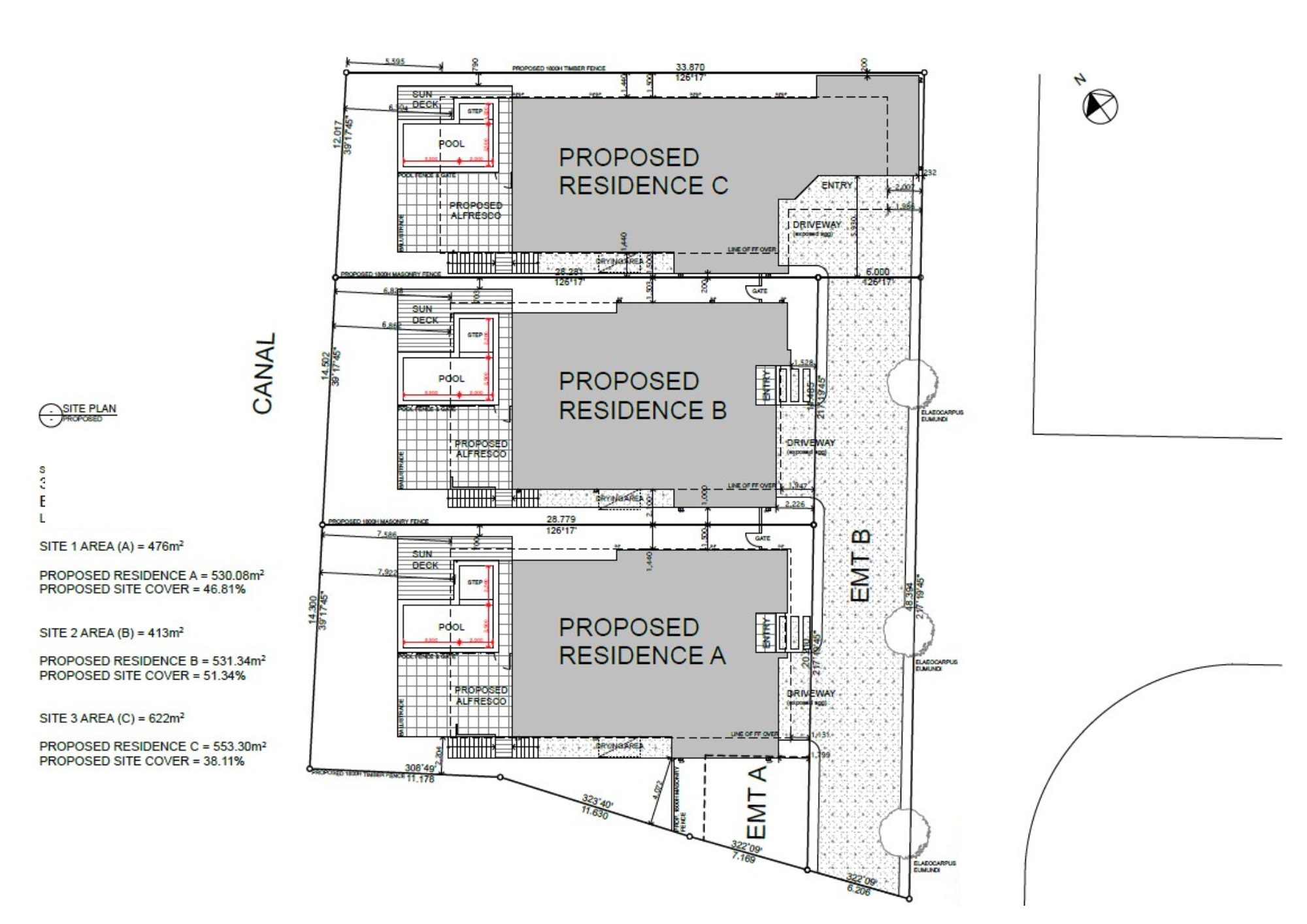
Subdivision (or reconfiguring a lot) is the process of dividing one property into two or more lots.
This can include:
- Splitting a residential block into multiple lots
- Subdividing existing duplex / dual occupancy and Multiple dwelling developments
- Boundary realignments
- Community title or strata subdivision
Subdivision requires approval from Council and must comply with the City Plan and the SEQ Regional Plan.
Can I subdivide my property on the Gold Coast?
Not all properties can be subdivided.
Your ability to subdivide depends on several key factors:
1. SEQ Regional Plan
If your property is located outside the Urban Footprint of the SEQ Regional Plan and is located within the Regional Landscape and Rural Production Area, subdivision of your property less than 100ha may be prohibited.
2. Zoning
Your zoning determines whether subdivision is supported and at what density.
For example:
- Low density residential zones have stricter limits for standard lots and corner / dual frontage lots
- Medium and high density zones may allow smaller lot sizes
3. Minimum lot size
Each zone has minimum lot size requirements.
If your site is too small, subdivision may not be possible without a significant planning justification.
4. Overlays and constraints
Constraints can impact subdivision potential, including:
- Flooding
- Environmental protection areas
- Bushfire or coastal hazards
- Easements and services
5. Access and frontage
Each new lot typically needs:
- Legal access
- Adequate frontage
- Space for service connections (water, sewer, stormwater)
How the new Planning Scheme may affect subdivision
The new Planning Scheme is expected to influence where subdivision is encouraged.
In particular:
- Areas near the Light Rail Stage 3 corridor may support increased density
- Coastal and infill areas may see changes to lot size or yield expectations
- Neighbourhood planning may introduce more detailed local controls
This means some properties may have future subdivision potential that doesn’t exist today.
What does subdivision approval involve?
Subdivision typically requires a development application (DA) to Council.
The process usually includes the following works, plans and reports:
- Site investigation and feasibility
- Detail Survey and subdivision plan
- Town planning assessment
- Engineering design (services, access, drainage)
- Lodgement and Council assessment
- Approval conditions, subdivision works and plan sealing
Do I need a town planner to subdivide land?
Yes, in most cases.
A town planner can:
- Confirm whether subdivision is possible
- Identify risks and constraints
- Recommend the best development strategy
- Manage the approval process
They also work closely with engineers, surveyors and other specialists to ensure your project is coordinated.
When should I get advice?
Before you:
- Purchase a site
- Commit to a design
- Assume subdivision is possible
Early advice can save you significant time and money.
How Planit can help
At Planit Consulting, we provide project town planning, engineering, project management, and environmental services to support subdivision projects across the Gold Coast.
From feasibility through to approval and delivery, we help you understand what’s possible and how to achieve it.
Thinking about subdividing your property? Talk to our Gold Coast town planning team
Get in contact here!