When Do You Need a Civil Engineer for a Gold Coast Development Project?
Whether you are planning a residential subdivision, commercial development, industrial facility or infrastructure upgrade, engaging a civil engineer early can help your project progress more smoothly.
Civil engineers assess how a development will interact with the land and surrounding infrastructure. They design practical solutions for earthworks, stormwater drainage, roads, access, water and sewer services, while also helping projects meet relevant authority requirements.
For developments on the Gold Coast, early civil engineering advice can identify site constraints, reduce redesign and provide greater certainty around approval and construction requirements.
What does a civil engineer do?
A civil engineer plans and designs the infrastructure required to support a development.
Depending on the project, this may include:
- Feasibility Assessment / Due Diligence
- Cost Estimates
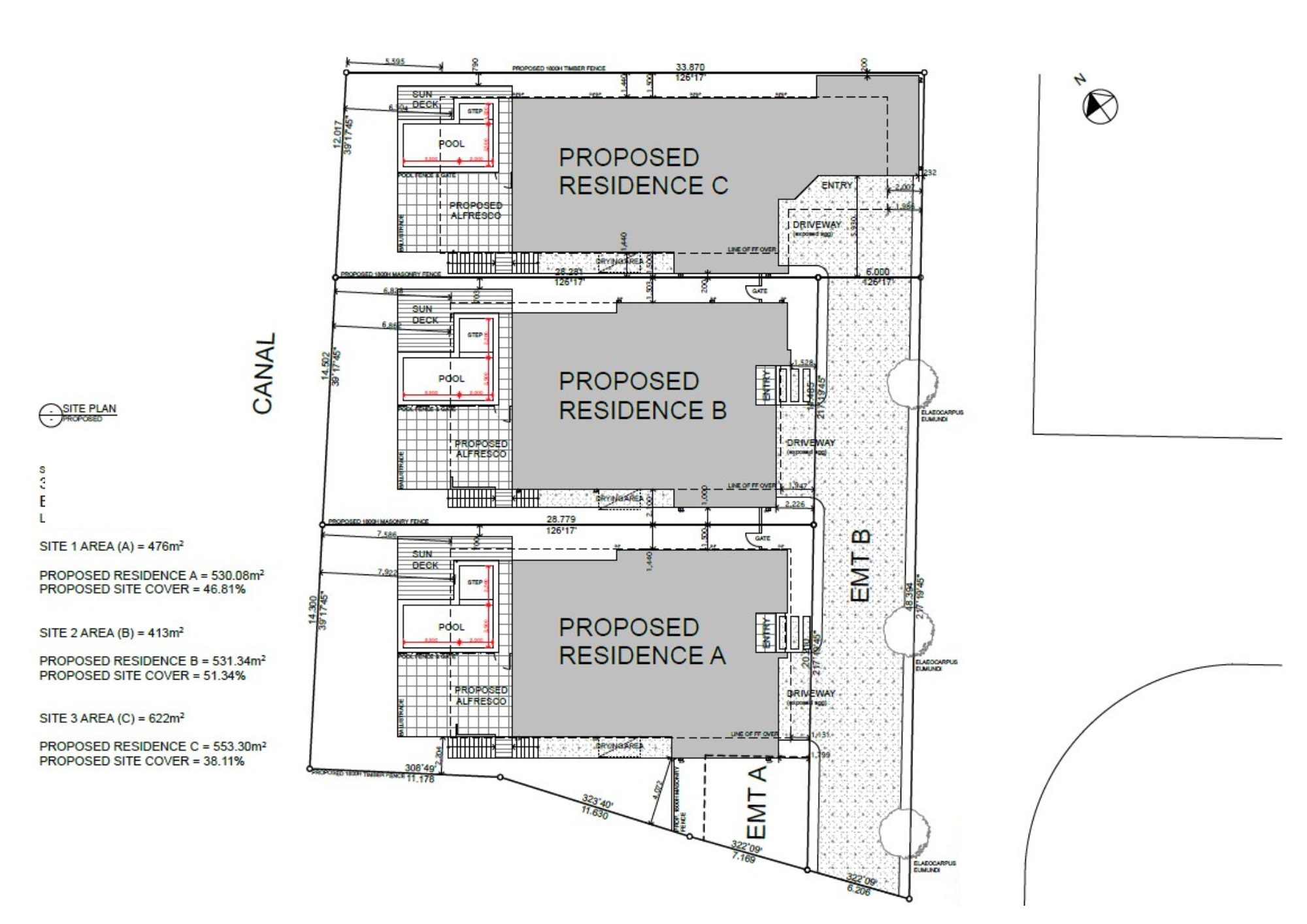
- Site grading and earthworks
- Stormwater drainage and management
- Road and car park design
- Vehicle access and circulation
- Water and sewer servicing
- Flood assessment and mitigation
- Erosion and sediment control
- Utility coordination
- Construction documentation and Bill of Quantities
- Authority applications and approvals
- Tender and construction management
Civil engineering is closely connected to town planning, environmental assessment, surveying, architecture and other specialist disciplines. Coordinating these areas early helps ensure that the proposed design is practical, compliant and suitable for the site.
When should you engage a civil engineer?
Ideally, a civil engineer should be involved during the early planning and feasibility stages of a project.
While a town planner may develop the overall vision for a site, a civil engineer can determine how that vision will work from an infrastructure and constructability perspective.
Early civil engineering input can help answer important questions such as:
- Can the site be adequately serviced by water and sewer infrastructure?
- How will stormwater be collected, treated and discharged?
- Are there flooding, access, slope or earthworks constraints?
- Will retaining walls or significant site filling be required?
- Can the proposed layout achieve suitable road and driveway grades?
- Are infrastructure upgrades or authority approvals likely to be required?
Understanding these matters early can influence the site layout, development yield, project cost and approval pathway.
Why local Gold Coast experience matters
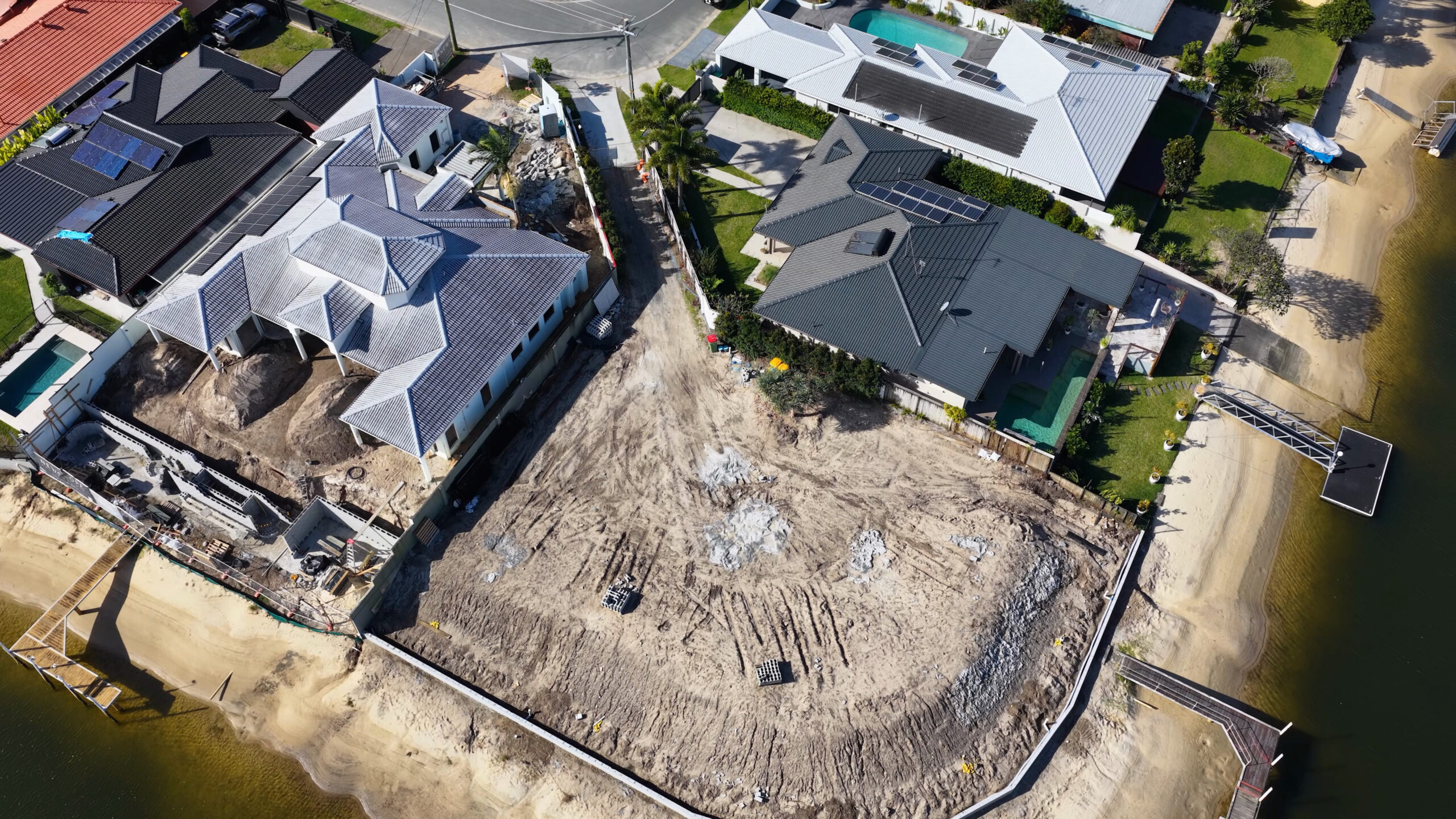
The Gold Coast includes a wide range of development conditions, from coastal and canal-front properties to steep hinterland sites, established urban areas and expanding growth corridors.
Each location can present different civil engineering considerations. These may include flooding, stormwater discharge, coastal conditions, existing infrastructure capacity, site access, ground levels and connections to public services.
An experienced Gold Coast civil engineering consultant can assess these constraints in the context of the proposed development and coordinate with the wider project team. This local understanding can help identify issues before they become expensive design or construction problems.
Civil engineering for development applications
Civil engineering documentation is often required to support a development application.
The level of information needed will depend on the site, development type and relevant authority requirements. It may include preliminary earthworks plans, stormwater management concepts, flood assessments, servicing strategies or access designs.
Preparing this information early gives the assessment authority a clearer understanding of how the development can be serviced and managed. It can also reduce the likelihood of important engineering matters being left until later in the process.
Planit’s Civil Engineering Team works closely with town planners, environmental specialists, ecologists, project managers and other consultants to provide coordinated advice throughout the development process.
What happens after development approval?
Civil engineering involvement does not necessarily end once development approval is obtained.
Following approval, the project may require detailed engineering drawings and technical documentation before construction can begin. This can include:
- Detailed earthworks and grading plans
- Stormwater drainage design
- Road and pavement design
- Water and sewer reticulation
- Erosion and sediment control plans
- Construction specifications
- Authority applications and approvals
- Services / Utilities coordination
- Responses to approval conditions
During construction, a civil engineer may also assist with tender documentation, contractor queries, design clarifications, inspections and contract administration.
Maintaining continuity between the approval, detailed design and construction stages can help ensure the original design intent is carried through to delivery.
Choosing a civil engineering consultant
When selecting a civil engineering consultant for a Gold Coast project, consider whether the team has experience with:
- Similar development types and site conditions
- Local authority requirements and approval processes
- Multidisciplinary project coordination
- Both preliminary and detailed civil design
- Construction-phase support
- Identifying practical and commercially realistic solutions
It is also important to engage a consultant who communicates clearly. Civil engineering decisions can affect project layout, approval timeframes, construction costs and long-term performance, so risks and options should be explained in a way the entire project team can understand.
How Planit Consulting can help
Planit Consulting provides civil engineering and development consultancy services across the Gold Coast and South East Queensland.
Our civil engineering team assists with projects ranging from residential subdivisions and commercial developments to industrial facilities and public infrastructure. With town planning, environmental planning, ecology, project management and construction support capabilities available within the broader Planit team, we can provide coordinated advice across multiple stages of a project.
While our Gold Coast team operates from Nobby Beach, Planit also services Northern New South Wales and the greater NSW region through our Kingscliff and Lennox Head offices.
Engaging our team early allows us to assess your site, identify key engineering considerations and help establish a practical pathway from initial planning through to design and delivery.
Planning a development on the Gold Coast, in Northern NSW or elsewhere in the region? Contact Planit Consulting to discuss your project and find out how our civil engineering team can assist.